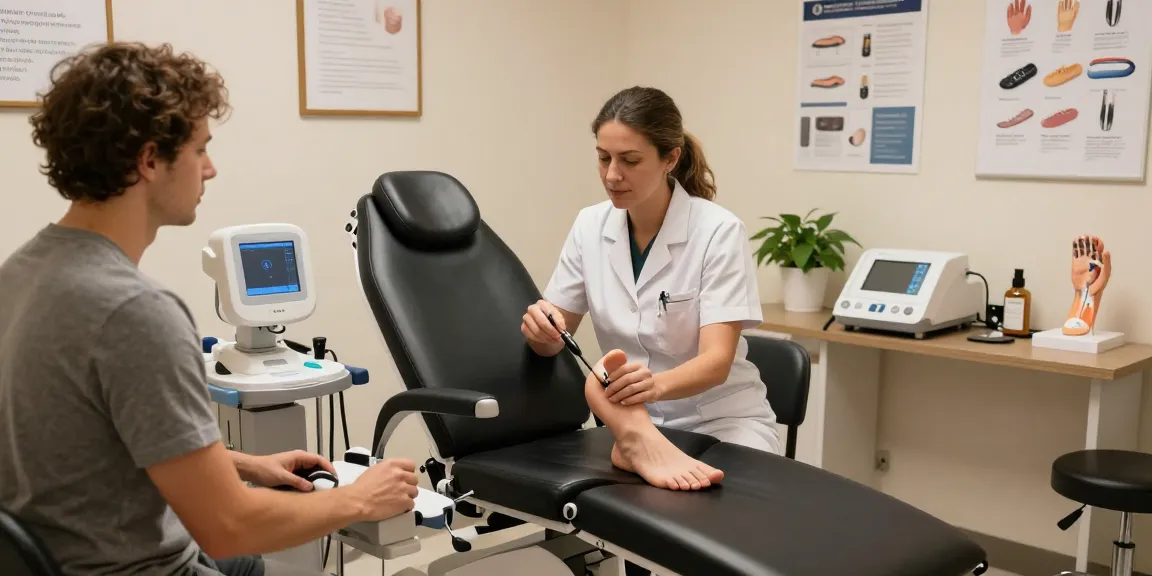
Understanding Podiatry Equipment
Podiatry is a specialized field dedicated to diagnosing and treating conditions of the foot, ankle, and lower extremities. To provide effective care, podiatrists rely on a range of specialized tools and technologies designed to enhance patient outcomes. When exploring options, podiatry equipment plays a critical role not just in treatment but in the overall patient experience. As the demand for podiatric care increases, understanding what constitutes quality equipment and its importance becomes pivotal for healthcare providers.
What is Podiatry Equipment?
Podiatry equipment encompasses a variety of devices and tools used by podiatrists to examine, diagnose, and treat foot and ankle disorders. This can include everything from basic instruments like scalpels and curettes to advanced technology such as digital imaging systems and laser treatment devices. Each tool is designed to address specific needs, enabling practitioners to deliver precise and effective care. Examples include orthotics, surgical instruments, diagnostic tools, and rehabilitation equipment, all of which are essential for successful patient outcomes.
Importance of Quality in Podiatry Tools
The significance of high-quality podiatry equipment cannot be overstated. Subpar tools can lead to inaccurate diagnoses, ineffective treatments, and ultimately, dissatisfied patients. Quality equipment ensures more accurate results, easier handling, and longer lifespan under regular use. Investing in reputable brands and up-to-date models can thus enhance a practitioner’s ability to provide the best possible care to their patients.
Types of Essential Podiatry Equipment
- Diagnostic Tools: Such as digital X-rays and ultrasound machines, essential for accurate diagnosis.
- Surgical Instruments: Including scalpels, forceps, and drilling systems specifically designed for foot surgeries.
- Orthotic Devices: Custom-made insoles and braces that help correct foot deformities.
- Therapeutic Equipment: Such as laser devices for pain management and rehabilitation tools for recovery.
- Footwear Assessment Tools: Instruments like pedoscopes and pressure mats that analyze gait and pressure distribution.
Choosing the Right Podiatry Equipment
Factors to Consider When Selecting Equipment
Selecting the right equipment for a podiatry practice involves several considerations. Practitioners must evaluate the specific needs of their patient population, the types of procedures frequently performed, and the anticipated volume of patients. Additionally, compatibility with existing tools and systems, ease of use, and the manufacturer’s support and warranty will also impact the decision-making process.
Budgeting for Your Podiatry Practice
Financial planning is crucial when it comes to investing in podiatry equipment. Establishing a budget that accommodates initial expenditures while also considering long-term operational costs is vital. It’s important to prioritize investments—first acquiring essential tools, then gradually expanding the practice with advanced equipment as finances allow. Exploring financing options and potential grants can also provide the necessary support for acquiring high-quality tools.
Best Brands and Models in 2026
As of 2026, several brands have emerged as leaders in the podiatry equipment market. Notable manufacturers include:
- Fscan: Renowned for their gait analysis systems that offer detailed insights into foot dynamics.
- Paragon 28: Known for their innovative surgical instruments and orthotic devices.
- Zimmer Biomet: Specializing in advanced surgical equipment for foot and ankle procedures.
- Hoffman Estates: A leader in custom orthotics and foot assessment technologies.
Advanced Technologies in Podiatry
Emerging Trends in Podiatry Equipment
As technology advances, so does the field of podiatry. Emerging trends include the integration of 3D printing for custom orthotics and implants, virtual reality tools for training and patient education, and artificial intelligence for diagnostic support. Such innovations not only enhance precision and efficiency in treatment but also improve the overall patient experience.
How Digital Tools are Revolutionizing Podiatry
Digital tools are making significant impacts in podiatry clinics. Software for electronic health records (EHR) simplifies patient management, while telehealth solutions allow for remote consultations, expanding access to care. These technologies streamline workflows, decrease administrative burdens, and provide valuable data that can aid in clinical decision-making.
Case Studies of Successful Technology Implementation
Several clinics have successfully implemented advanced technologies that highlight their benefits. For instance, a study conducted in a leading podiatry clinic showed that using 3D printing for custom orthotics reduced patient turnaround time by 50%, significantly enhancing satisfaction rates. Another case revealed that clinics utilizing telehealth services saw a 30% increase in patient engagement, demonstrating how technology can drive better health outcomes.
Dealing with Common Challenges
Understanding Equipment Maintenance Needs
Maintaining podiatry equipment is essential for ensuring its longevity and optimal performance. Regular inspections, scheduled maintenance, and timely repairs can prevent downtimes and costly replacements. Practitioners should develop a maintenance schedule tailored to their equipment’s specific requirements and usage frequency.
Overcoming Equipment Obsolescence Issues
As technology evolves, older equipment can become obsolete, hindering a practice’s ability to provide effective care. To address this challenge, podiatrists should regularly assess their tools and consider upgrades or replacements based on performance and technological advancements. Staying informed about industry trends can also help practitioners anticipate future needs.
Training Staff on New Podiatry Equipment
When new equipment is introduced, comprehensive training for staff is critical. This empowers team members to utilize tools effectively, leading to improved patient care and safety. Regular training sessions and refresher courses can help staff stay updated on equipment capabilities and best practices.
Future of Podiatry Equipment
Predictions for Innovations by 2026
The future of podiatry equipment promises exciting innovations. Anticipated advancements include AI-driven diagnostic tools that provide real-time analysis and treatment recommendations, smart devices that monitor patients remotely, and more intuitive software systems for managing patient data seamlessly. Such innovations will likely redefine standard practices in podiatry.
Impact of Telehealth on Podiatry Equipment
Telehealth is reshaping how podiatry services are delivered, driving a need for specific equipment designed for remote diagnosis and treatment. Investments in high-quality video conferencing tools and devices for at-home diagnostic assessments will become essential as patients expect comprehensive care from the comfort of their homes.
Preparing for Changes in Patient Expectations
As awareness of podiatry grows, so do patient expectations. Modern patients are seeking quicker access to care, digital communication options, and transparent treatment pathways. Podiatrists must prepare for this shift by investing in technology that enhances the patient experience while also educating their staff about the importance of meeting these evolving demands.